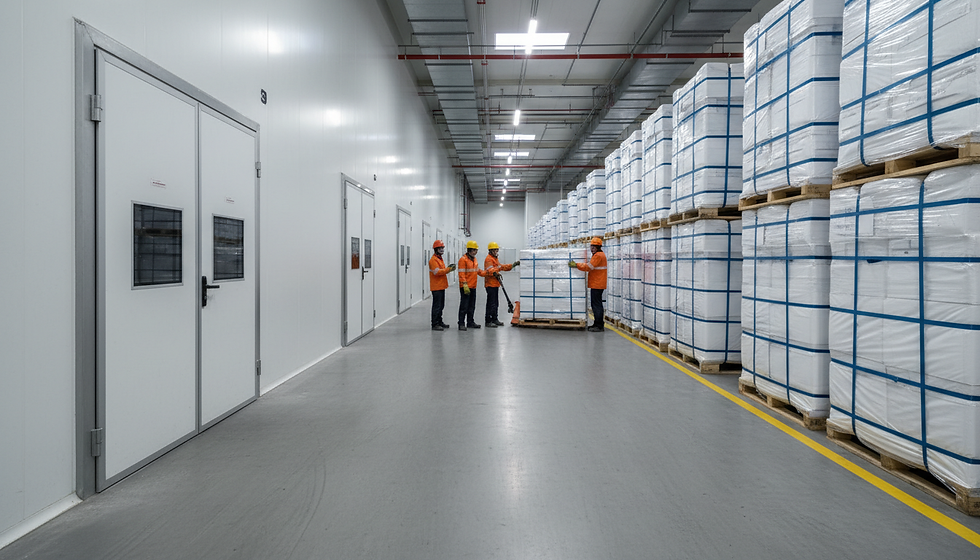
The Journey Behind Reliable Delivery: Planning, Handling, and Temperature Control
A delivery only looks simple at the doorstep. Behind that final handover sits a chain of decisions, checks, and careful movements that began long before the vehicle reached the road.
A parcel may travel across a city in a few hours, or across India over several days. It may face heat, rain, rough handling points, traffic delays, highway diversions, and storage stops along the way. If it contains food, medicines, flowers, electronics, laboratory samples, or chemicals, the margin for error becomes even smaller.
Reliable delivery is not luck. It comes from planning the route, handling the shipment correctly, and keeping the right temperature from start to finish. When these three parts work together, goods arrive in the condition expected, not just at the address printed on the label.

Every reliable delivery starts before dispatch
The journey begins with information. A team needs to know what is being moved, where it is going, how soon it must arrive, and what could affect it along the way. Missing or vague details often create problems that show up much later.
A strong delivery plan answers practical questions:
What is the shipment type?
Does it need temperature control?
What is the promised delivery window?
Are there loading or unloading restrictions?
Will the route pass through areas with heavy traffic, bad roads, toll delays, or weather risks?
Does the receiver need an appointment or prior call?
Is any paperwork required at checkpoints or delivery points?
This planning matters even more for nationwide delivery networks. Moving goods from Mumbai to Bengaluru is different from moving them within Delhi NCR. A route that works well in dry weather may become slower during the monsoon. A vehicle that is suitable for lightweight parcels may not suit fragile, chilled, or high-value goods.
Good planning also reduces pressure on drivers and handlers. If the route is realistic, the loading order is sensible, and the delivery window allows for known delays, the entire chain works better. Rushed delivery often leads to poor handling, missed temperature checks, and incomplete documentation.
Route planning is more than picking the shortest road
The shortest route on a map is not always the safest or fastest in practice. A reliable plan looks at road quality, traffic patterns, vehicle type, fuel stops, legal restrictions, and customer availability.
For example, a refrigerated vehicle carrying dairy products cannot wait for hours at an unloading point without risk. A vehicle carrying fragile glassware needs a route with fewer bad stretches where possible. A mixed-load vehicle must follow a sequence that avoids repeated unloading of sensitive goods.
Route planning also includes backup choices. If a highway closes, a city faces waterlogging, or a delivery point becomes unavailable, the team needs a second option. A backup plan prevents small delays from turning into failed deliveries.
A dependable shipment is managed as a journey, not treated as a single trip from one pin code to another.
Handling protects what the route cannot
Even the best plan can fail if goods are not handled correctly. A shipment may change hands several times before it reaches the receiver. It may be packed, loaded, scanned, sorted, reloaded, stored, and unloaded. Each touchpoint carries risk.
Careful handling starts with suitable packaging. Packaging should match the nature of the item, not just the size of the box. Fragile goods need cushioning and clear orientation marks. Liquids need leak-resistant containment. Chilled or frozen items need insulated packaging, gel packs, dry ice where suitable, or temperature-controlled boxes. Heavy goods need packaging that can handle pressure and stacking.
Labelling also plays a major role. A clear label helps people identify how to move and store the shipment. Labels such as `Keep Upright`, `Fragile`, `Do Not Freeze`, and `Temperature Sensitive` help, but only when handlers are trained to follow them.

Loading order affects delivery quality
Loading a vehicle is not just about fitting everything inside. The loading order should follow the delivery sequence, weight distribution, and product sensitivity.
Heavy cartons should not crush lighter or fragile goods. Items that must be delivered first should remain easy to access. Temperature-sensitive cargo should stay in the right zone, not near doors that open often unless the setup is built for it.
Poor loading creates avoidable problems:
Poor loading habit | What can go wrong |
Placing heavy goods on fragile cartons | Breakage, dents, leakage, or product loss |
Blocking first-drop shipments | Longer unloading time and more exposure |
Mixing dry and chilled goods without separation | Temperature variation and quality risk |
Leaving gaps between cartons | Shifting during braking or rough roads |
Ignoring load balance | Vehicle strain and unsafe movement |
Small handling habits matter. A carton dragged across the floor may weaken. A chilled box left in the sun for a few minutes may warm faster than expected. A package tossed into a stack may look fine outside but suffer internal damage.
Reliable delivery depends on these quiet disciplines.
Scanning and documentation create accountability
Scanning points, timestamps, and handover records form the shipment’s memory. They show where the shipment was, when it moved, and who handled it. This is useful for customer updates, but it also helps identify weak points if something goes wrong.
For temperature-sensitive goods, records become even more useful. Temperature logs, seal checks, dispatch notes, and proof of delivery help teams confirm that the shipment stayed within the required conditions.
Good documentation does not need to be complex. It needs to be consistent. A simple missed scan can cause confusion. A missing delivery note can delay unloading. A broken seal without record can raise doubts about shipment integrity.
Temperature control keeps sensitive goods safe
Some products can tolerate normal delivery conditions. Others cannot. Temperature-sensitive shipments need extra care throughout the journey, from pre-cooling to final handover.
Examples include:
Fresh fruits, vegetables, seafood, meat, dairy, and bakery items
Chocolates, flowers, and premium food products
Certain medicines, vaccines, and diagnostic samples
Chemicals and materials that must stay within a defined range
Cosmetics and wellness products affected by heat
India’s climate makes this work more demanding. Many regions face high daytime temperatures for long periods. The monsoon brings humidity and delays. Hill routes and long-distance corridors can bring sudden temperature shifts. A delivery system must account for these conditions, not react after damage occurs.
Temperature control is not only about using a refrigerated vehicle. It is a full chain of actions.
The cold chain must remain unbroken
A cold chain is the controlled movement of temperature-sensitive goods through storage, transport, and delivery. If one part fails, the product may lose quality even if the rest of the journey goes well.
For example, chilled food loaded into a warm vehicle can start at the wrong temperature. A refrigerated compartment opened too often can lose cold air. A shipment held near a gate during sorting can warm up before dispatch. These gaps are easy to miss unless the process includes checks.
A good temperature-controlled delivery process includes:
Pre-cooled vehicle compartments before loading
Packaging that matches journey duration
Temperature checks before dispatch
Doors opened only when needed
Sensors or loggers for sensitive consignments
Clear action steps when temperature moves out of range
Fast unloading at the destination

Temperature ranges must match the shipment
Not all cold cargo has the same need. Frozen foods, chilled dairy, fresh produce, and certain healthcare shipments may each need different conditions. Placing everything in one compartment without separation can harm some products.
Fresh produce may suffer if it gets too cold. Frozen goods can lose quality if they partially thaw. Some medicines must remain within a specific labelled range. The right setup depends on the product instructions and the expected duration of travel.
This is where planning and handling come back into the picture. Temperature control cannot sit alone. Teams need to load by category, track the correct range, reduce exposure during stops, and deliver in an order that protects the most sensitive items.
Communication keeps the shipment moving
A delivery chain involves dispatch teams, drivers, warehouse staff, handlers, customers, and sometimes security or gate teams. If communication breaks down, even a well-packed shipment can sit idle.
Clear communication helps with:
Confirming pickup and delivery readiness
Sharing changes in route or timing
Alerting teams when a vehicle is delayed
Preparing the receiver for quick unloading
Reporting damage, seal issues, or temperature changes
Recording proof of delivery without confusion
For nationwide deliveries, local knowledge also matters. A driver may know that a market road closes during certain hours. A warehouse team may know that a customer requires entry passes. A receiver may need a call before the vehicle enters a campus or gated facility.
These details seem small until they cause delay. A temperature-sensitive shipment waiting outside a facility because a gate pass is missing faces unnecessary risk. A fragile load moved repeatedly because the unloading dock is not ready may suffer damage. Clear updates prevent these issues.
Tracking should support better decisions
Tracking is useful when it helps people act. Location updates, scan points, delivery estimates, and temperature alerts can all reduce uncertainty. But tracking alone does not guarantee reliability.
The real value comes when teams respond to what tracking shows. If a vehicle is delayed, the next hub can adjust. If a temperature reading rises, the team can check the unit, reduce door opening, or move the goods to a suitable backup space. If a receiver is unavailable, the route plan can change before the vehicle wastes time.
Reliable delivery needs visibility plus response. One without the other is incomplete.
The last kilometre decides the final experience
Many shipments survive long journeys and fail near the end. The last kilometre brings tight lanes, traffic, parking limits, difficult addresses, customer unavailability, and repeated stops. It also involves frequent door opening, which can affect temperature-controlled cargo.
For standard parcels, the last kilometre should focus on accurate address handling, careful unloading, and clean proof of delivery. For fragile or high-value items, the driver may need extra instructions. For cold chain goods, the handover should be quick and documented.
A strong last-kilometre process includes:
Clear customer contact details
Location checks before dispatch
Delivery sequence based on urgency and product type
Minimal waiting time at the drop point
Careful unloading in the right orientation
Receiver confirmation when required
Return instructions if the delivery cannot be completed
Failed delivery attempts create cost and risk. A parcel may return to a hub, move through more handling points, or face temperature exposure. Avoiding failed attempts is part of reliable service, not just customer convenience.

Small failures often come from gaps between teams
Delivery problems rarely come from one dramatic mistake. They often come from small gaps between planning, handling, and temperature control.
A route planner may assume unloading will take ten minutes, while the receiver needs thirty. A warehouse may pack chilled goods properly, but the vehicle may not be pre-cooled. A driver may follow the route, but no one may inform the receiver about early arrival. A handler may stack goods neatly, but place sensitive items near a door that opens often.
The best delivery systems close these gaps. They use clear checklists, trained teams, suitable vehicles, practical packaging, and real-time updates. They also review failures without blame. If a shipment arrives late or damaged, the question should be simple: where did the journey lose control?
A useful review looks at:
Whether the order information was complete
Whether the packaging matched the product
Whether the vehicle was suitable
Whether handling instructions were visible and followed
Whether temperature was checked at key points
Whether the receiver was ready
Whether the delivery attempt was recorded correctly
This turns each problem into better practice for the next shipment.
Reliable delivery is built through discipline
The journey behind a safe delivery is not glamorous. It is practical work done carefully, again and again. A good route saves time. Good handling protects the shipment. Good temperature control keeps sensitive goods stable. Clear communication connects every stage.
When all of this works together, delivery becomes predictable. Customers receive what they expect. Businesses face fewer losses. Drivers and handlers work with clearer instructions. Sensitive goods move with less risk.
The real measure of delivery quality is not simply whether the shipment arrived. It is whether it arrived on time, in good condition, with the right records, and with confidence at every handover.
That kind of reliability begins long before the doorstep. It begins with the first plan, the first label, the first temperature check, and the care taken at every stop along the way.